Modafinil vs Adderall Which Smart Drug Wins for Focus and Energy
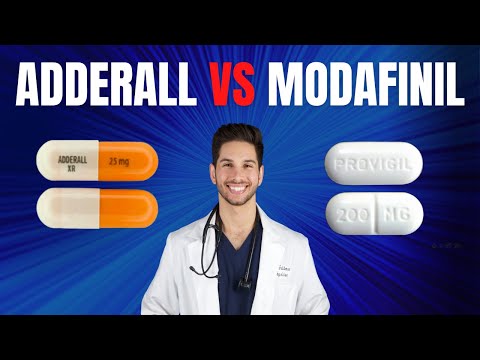
When it comes to cognitive enhancement, the choice between Modafinil and Adderall is stark: one offers laser-focused wakefulness with minimal side effects, while the other delivers a potent but crash-prone high. Modafinil outshines Adderall for sustained productivity, making it the smarter pick for anyone who needs mental clarity without the jitters or dependency risks.
Mechanisms of Action: Modafinil vs Adderall
Modafinil and Adderall operate through fundamentally distinct neurochemical mechanisms, making their effects profoundly different despite both being used for wakefulness and focus. Adderall, an amphetamine salt combination, primarily acts as a powerful reuptake inhibitor and releasing agent of dopamine and norepinephrine, flooding the synaptic cleft and causing a dramatic, rapid increase in catecholamine levels. This mechanism, while highly effective for ADHD, carries a significant risk of euphoria, cardiovascular strain, and dependence. Conversely, Modafinil selectively inhibits the reuptake of dopamine, but with a much lower affinity and without inducing significant norepinephrine release. Its primary action appears to be mediated by the activation of orexinergic neurons in the hypothalamus, promoting alertness without the intense “rush” or periphery overstimulation. This targeted dopaminergic modulation provides sustained cognitive enhancement with a far superior safety profile. For long-term focus without abuse potential, Modafinil’s mechanism is decidedly superior.
Q: Does Modafinil have the same abuse potential as Adderall?
A: Absolutely not. Adderall’s mechanism floods the brain’s reward center with dopamine, creating high abuse liability. Modafinil’s more targeted dopamine reuptake inhibition produces negligible euphoria, making it a significantly safer option for sustained, non-addictive cognitive enhancement.

Modafinil: Dopamine Reuptake Inhibition and Hypocretin/Orexin Modulation
Modafinil and Adderall both enhance cognitive function but through distinct pathways. Modafinil primarily inhibits the reuptake of dopamine, while also subtly influencing orexin and histamine systems to promote wakefulness without the aggressive surge seen in classic stimulants. Adderall, a combination of amphetamine salts, forces a massive release of dopamine and norepinephrine by reversing transporter action, directly flooding the synaptic cleft. This fundamental difference creates a stark contrast in user experience: modafinil vs adderall mechanisms of action dictate that Adderall delivers intense, immediate focus but carries higher abuse potential, whereas Modafinil offers smoother, longer alertness with lower euphoria risk. The result is two very different tools for tackling mental fatigue, each with a unique pharmacological signature.
Adderall: Amphetamine-Induced Release of Dopamine and Norepinephrine
Modafinil and Adderall operate through fundamentally distinct neurochemical pathways. Adderall, an amphetamine salt mixture, primarily functions as a potent dopamine and norepinephrine reuptake inhibitor and releaser, flooding the synaptic cleft to produce robust, immediate stimulation. In contrast, Modafinil’s mechanism of action is more selective and subtle, targeting the dopamine transporter (DAT) to moderately inhibit reuptake, while also affecting orexinergic and histaminergic systems to promote wakefulness without significant euphoria or abuse potential. Stimulant medication mechanisms differ critically in receptor affinity. This divergence explains why Adderall delivers a stronger, more abrupt energy surge with greater risk of dependence, whereas Modafinil provides a smoother, sustained alertness often used for shift work or narcolepsy. For cognitive enhancement, Modafinil’s lower side effect profile makes it a safer long-term choice.
Impact on Neurotransmitter Systems: Direct vs Indirect Stimulation
Modafinil and Adderall both elevate alertness but via sharply different neurological pathways. Adderall floods the brain with dopamine and norepinephrine by blocking their reuptake and reversing transporter proteins, creating a surge that drives intense focus and euphoria. Modafinil, in contrast, operates more subtly, primarily inhibiting dopamine reuptake in the reward center while also influencing orexin and histamine systems to promote wakefulness without the same euphoric high. The key distinction lies in their dopaminergic impact—Adderall’s broad, potent stimulation versus Modafinil’s targeted, moderate action. This difference explains Adderall’s higher abuse potential and more pronounced side effects, while Modafinil offers a cleaner, longer-lasting alertness with less cardiovascular strain. Ultimately, one drug rewires urgency, the other recalibrates wakefulness.
Clinical Applications and Prescription Indications
Clinical applications for medical interventions are primarily guided by established prescription indications, which define the specific conditions, patient populations, and evidence-based protocols under which a treatment is deemed appropriate. These indications are derived from rigorous clinical trials, ensuring that therapies are directed at diagnosed pathologies like hypertension, type 2 diabetes, or major depressive disorder. As an expert, I emphasize that adherence to these prescription indications is critical: it minimizes off-label risks, optimizes therapeutic outcomes, and aligns with regulatory standards. For instance, beta-blockers are indicated for heart failure management, not merely for occasional palpitations. Ultimately, responsible clinical practice relies on matching a treatment’s proven efficacy to the precise diagnostic criteria, thereby ensuring patient safety and maximizing therapeutic effectiveness in real-world healthcare settings.
Modafinil: Narcolepsy, Shift Work Sleep Disorder, Obstructive Sleep Apnea
Clinical applications guide the art of prescribing, where a clinician’s choice becomes a tailored lifeline. For instance, metformin is routinely prescribed for type 2 diabetes to improve glycemic control, while beta-blockers like metoprolol manage hypertension by reducing cardiac workload. Prescription indications ensure targeted therapy for specific diagnoses. A doctor might select amoxicillin for bacterial sinusitis, not viral colds, preventing resistance. Diazepam vs Zopiclone Likewise, selective serotonin reuptake inhibitors (SSRIs) are indicated for major depressive disorder, adjusting doses to patient tolerance. Each decision—whether for chronic conditions like asthma (inhaled corticosteroids) or acute infections—hinges on evidence-based protocols. This blend of science and judgment turns a prescription pad into a map for recovery, navigating side effects and patient history to achieve optimal outcomes.
Adderall: ADHD, Narcolepsy (First-Line for ADHD)
Clinical applications of prescription medications require rigorous diagnosis and evidence-based selection. Treatment plans target specific pathologies, such as hypertension management with ACE inhibitors or type 2 diabetes control via metformin. Accurate prescription indications ensure therapies address verified conditions while minimizing off-label risks. For chronic conditions, clinicians must consider patient comorbidities, potential drug interactions, and adherence potential. Common monitored indications include:
- Antibiotics for confirmed bacterial infections (e.g., amoxicillin for otitis media)
- Statins for primary prevention in high-risk cardiovascular patients
- SSRIs for moderate-to-severe major depressive disorder
Dose titration and periodic reassessment are mandatory to align with evolving clinical guidelines and patient response.
Off-Label Use and Therapeutic Controversy
In the sterile glow of an operating room, a surgeon once held a new type of drug in their syringe—a biologic designed for precise cellular targeting. This moment highlighted key clinical applications, where treatments like monoclonal antibodies or targeted kinase inhibitors are now prescribed for specific oncologic markers instead of broad symptoms. For a patient with chronic immune disorders, prescription indications have shifted from managing flare-ups to preventing them entirely, using biologics like TNF-alpha inhibitors. The core change is clear: therapies are chosen based on biomarkers, not just disease names. Evidence-based prescription practices now guide clinicians to match these advanced drugs with precise genetic or pathological criteria, reducing trial-and-error and improving outcomes across fields from rheumatology to dermatology.
Dosage Forms and Pharmacokinetics
Selecting the appropriate dosage form and pharmacokinetics is critical for optimizing therapeutic outcomes. The dosage form—whether a tablet, capsule, injectable solution, or transdermal patch—directly governs the rate and extent of drug release. This, in turn, dictates the pharmacokinetic profile: absorption from the administration site into systemic circulation, distribution to target tissues, metabolism primarily via the liver, and eventual excretion through the kidneys. For example, an extended-release formulation manipulates dissolution and transit time to maintain steady plasma concentrations, reducing dosing frequency and side effects. Expert prescribing requires matching the dosage form’s release characteristics with the drug’s half-life and the desired onset of action, ensuring efficacy while minimizing toxicity. Therefore, a deep understanding of both these domains is indispensable for safe and effective pharmacotherapy.
Modafinil: Standard Tablets (100mg, 200mg), Half-Life ~15 Hours
Dosage forms—like tablets, capsules, or injections—are designed to deliver drugs efficiently into your body, and pharmacokinetics explains what happens next: absorption, distribution, metabolism, and excretion (ADME). Understanding drug absorption rates helps predict how fast a medicine works. For example, liquids absorb faster than solids, while enteric-coated pills delay release to protect the stomach. Your liver then breaks down the drug (metabolism), and kidneys remove it (excretion). Factors like food, age, and genetics can speed up or slow this process.
- Absorption: How the drug enters the bloodstream (e.g., oral vs. IV).
- Distribution: Where it travels in tissues and organs.
- Metabolism: How the body chemically transforms it (often in the liver).
- Excretion: How it leaves, mostly via urine or bile.
Q: Why do some pills say “take with food”?
A: Food can slow drug absorption, preventing side effects like nausea, or help the drug dissolve more effectively, improving its effect.
Adderall: Immediate-Release (IR) vs Extended-Release (XR) Formulations
Dosage forms are the physical delivery systems—such as tablets, capsules, injectables, or transdermal patches—designed to enhance drug stability and patient compliance. Pharmacokinetics governs how the body processes these forms through absorption, distribution, metabolism, and excretion (ADME), directly influencing onset, intensity, and duration of therapeutic effect. Mastering the link between dosage form design and pharmacokinetic profiles enables personalized dosing strategies. Consider a sustained-release tablet: its matrix slows drug release, flattening plasma concentration peaks and minimizing side effects. Key factors include bioavailability—the fraction of administered drug reaching systemic circulation—and half-life, which dictates dosing intervals. For example, immediate-release forms suit acute symptoms, while extended-release improves adherence in chronic conditions.
Q&A:
Q: Why does a tablet’s coating matter for pharmacokinetics?
A: Enteric coatings resist stomach acid, preventing drug degradation and targeting release in the higher-pH intestine, thus optimizing absorption and reducing gastric irritation—a critical factor for drugs like NSAIDs.
Metabolic Pathways: CYP3A4 (Modafinil) vs CYP2D6 (Adderall)
Dosage forms are the physical vehicles—tablets, capsules, injectables, or transdermal patches—that deliver active pharmaceutical ingredients into the body. Their design directly controls pharmacokinetic parameters like absorption rate and bioavailability. For instance, an immediate-release tablet dissolves rapidly in the stomach, spiking plasma levels, while an extended-release capsule slowly meters the drug into the bloodstream, maintaining steady concentrations. Once absorbed, the drug undergoes metabolism, distribution, and eventual excretion—a journey timed by the dosage form’s structure. Choosing the right form can mean the difference between a quick relief and a sustained cure. This interplay ensures drugs reach their target at the right speed and amount, optimizing therapeutic outcomes.
Efficacy and Cognitive Enhancement Profiles

Efficacy in cognitive enhancement hinges on rigorous, evidence-based interventions that demonstrably improve core mental functions. For optimal results, focus on proven nootropic strategies like targeted sleep optimization and specific nutritional supplementation (e.g., Omega-3s, creatine). These methods enhance memory consolidation and executive function with minimal risk. Avoid unverified “smart drugs” that lack longitudinal safety data. A truly effective cognitive enhancement profile prioritizes neurobiological sustainability over fleeting performance spikes, integrating biofeedback and structured cognitive training. This ensures sustainable cognitive performance gains without triggering burnout or neurochemical dependency. Individual response variability is high; thus, personalization through measured baseline testing is non-negotiable for expert-level efficacy.
Focus and Sustained Attention: Modafinil’s Wakefulness-Promoting Effects
When we talk about efficacy in cognitive enhancement, we’re really asking whether those brain-boosting supplements, nootropics, or lifestyle hacks actually deliver on their promises. Noopept is often cited for its sharp focus and memory recall benefits, but the reality is that results vary wildly from person to person. For some, it brings a clear, calm mental edge; for others, it’s just a headache. Key profiles generally include:
- Focus & concentration – things like Modafinil or caffeine.
- Memory & recall – think Bacopa Monnieri or Lion’s Mane.
- Mood & motivation – often addressed by racetams or adaptogens.
The bottom line? Efficacy depends on genetics, dosage, and your specific cognitive goal—so what works wonders for one person might flop for another.
Executive Function and Impulse Control: Adderall’s Stimulant Advantages
Cognitive enhancement efficacy is maximized when interventions target specific neural pathways rather than offering generalized stimulation. Nootropics like modafinil and racetams demonstrate measurable improvements in working memory and executive function, particularly under fatigue. However, their efficacy varies sharply by baseline cognition: high-performing individuals see minimal gains, while those with deficits report significant benefits. Pharmacological and lifestyle protocols—such as caffeine paired with L-theanine, or high-intensity interval training—show synergistic effects. The most compelling profiles emerge from combining acute agents with chronic neuroplasticity enhancers (e.g., omega-3s, BDNF-boosting activities). Non-pharmacological methods—including transcranial direct current stimulation and cognitive training—produce narrower, task-specific gains. Thus, an optimized regimen demands personalization: matching compound half-lives, dosages, and timing to one’s metabolic profile. The future of cognitive enhancement lies not in a single pill, but in evidence-based stacking that respects individual neurochemistry and desired outcomes.
Creative Thinking vs Task Persistence
Efficacy in cognitive enhancement is not a one-size-fits-all promise; it’s a deeply personal journey. For some, a nootropic lifts the fog of morning grogginess, sharpening focus for complex tasks, while for others, the same compound may only amplify anxiety. The profile of a successful cognitive enhancer often hinges on baseline neurotransmitter levels—those with low acetylcholine might thrive on a racetam, whereas a choline surplus could lead to irritability. Personalized nootropic stacks are reshaping cognitive optimization as users learn to titrate doses like alchemists. The true story of efficacy isn’t found in lab averages, but in the quiet afternoon when a scattered mind finally holds its thread, weaving a tapestry of sustained clarity where distraction once reigned.
Side Effects and Safety Profiles
Understanding the side effects and safety profiles of any medication is crucial for informed healthcare decisions. All drugs carry potential adverse reactions, ranging from mild, transient issues like nausea or dizziness to severe, life-threatening conditions such as anaphylaxis or organ toxicity. These risks are typically identified and quantified through rigorous clinical trials and post-market surveillance. A drug’s safety profile details the prevalence of these effects, known contraindications, and necessary precautions, such as avoiding specific foods or other medications. Healthcare providers weigh these potential harms against the therapeutic benefits when prescribing. Patients are advised to report unexpected symptoms to their doctor, as individual responses vary. Regulatory agencies continuously monitor emerging data to update safety information, ensuring that the balance between efficacy and risk remains acceptable for the intended population.
Common Side Effects: Headache, Insomnia, Anxiety
Understanding the side effects and safety profiles of any medication is crucial for informed healthcare decisions. Thoroughly reviewing a drug’s safety data sheet helps patients anticipate common adverse reactions, such as nausea or dizziness, while recognizing rare but serious risks. Never hesitate to report unexpected symptoms to your prescriber immediately. Key factors influencing tolerability include:
- Dosage strength and frequency
- Individual patient factors like age, liver function, and allergies
- Potential drug interactions with other medications or supplements
Always balance therapeutic benefits against possible harms, and rely on your doctor for personalized risk assessment.
Cardiovascular Risks: Hypertension, Tachycardia, Arrhythmia
Understanding side effects and safety profiles is essential for responsible medication use. Every drug carries a risk-benefit balance, where common side effects like nausea or dizziness are often manageable, while rare but severe reactions require immediate attention. Pharmacovigilance systems continuously monitor these risks post-market. Key safety factors include:
- Dosage-dependent reactions, such as liver strain from high-dose acetaminophen.
- Individual patient factors like allergies or kidney function.
- Drug interactions, especially with supplements or alcohol.
Always review the package insert and consult your healthcare provider before starting or stopping any therapy to minimize adverse events.
Potential for Abuse and Dependence: Low (Modafinil) vs High (Adderall)
Side effects and safety profiles are the critical guardrails of any medication, demanding a dynamic balancing act between therapeutic benefits and potential risks. A drug’s safety profile isn’t static; it evolves through rigorous clinical trials and ongoing post-market surveillance, revealing everything from mild, transient symptoms to rare, severe complications. Every active ingredient carries a distinct risk of adverse events, which can range from common nuisances like nausea or dizziness to more serious concerns such as hepatotoxicity or cardiac arrhythmias. Understanding patient-specific risk factors is crucial for minimizing adverse drug reactions. To stay ahead of these challenges, healthcare providers rely on a clear, actionable framework:
- Assess patient history and concurrent medications for potential drug interactions.
- Monitor for early warning signs like rash, fever, or abnormal lab values.
- Educate patients on expected side effects and when to seek immediate care.
This proactive approach transforms safety from a static warning into an engaging, dynamic process of risk management.
Withdrawal Symptoms and Long-Term Tolerance
Every medication carries a dual identity: its intended therapeutic power and its potential for side effects. Understanding a drug’s safety profile means weighing common, mild effects—like drowsiness or nausea—against rare but serious risks, such as organ toxicity or allergic reactions. Risk-benefit analysis of prescription drugs is therefore critical. Real-world monitoring reveals that factors like dosage, patient genetics, and drug interactions dramatically shape individual outcomes. Key safety elements include:
- Common side effects (fatigue, headache)
- Severe adverse reactions (cardiac arrhythmia, liver damage)
- Contraindications (pregnancy, kidney disease)
- Black box warnings for highest severity risks
Always consult your healthcare provider to tailor treatment, balancing efficacy with your unique health context. A dynamic safety profile isn’t static—it evolves with every new study and patient report, empowering smarter, safer healthcare decisions.
Contraindications and Drug Interactions
Contraindications represent absolute or relative conditions where a drug must not be administered due to high risk of adverse outcomes. For example, using triptans with ergot alkaloids is strictly contraindicated due to the danger of vasospastic events. Drug interactions, conversely, occur when one substance alters the efficacy or toxicity of another, often through pharmacokinetic or pharmacodynamic mechanisms. Polypharmacy, especially in elderly patients, significantly elevates the risk of clinically significant interactions.
Always perform a comprehensive medication review before prescribing; failure to identify a CYP450 enzyme inducer or inhibitor can lead to therapeutic failure or toxicity.
Evidence-based screening tools like the Beers Criteria or STOPP/START lists are invaluable for mitigating harm. Key interactions to monitor include anticoagulants with NSAIDs (increased bleeding risk), ACE inhibitors with potassium-sparing diuretics (hyperkalemia), and statins with macrolide antibiotics (myopathy).
Modafinil: Hormonal Contraceptives, MAOIs, Seizure Threshold
Understanding medication contraindications and drug interactions is key to staying safe with any treatment. Contraindications are specific situations where a drug should never be used, like taking certain painkillers if you have a history of stomach ulcers or using specific antibiotics during pregnancy. Drug interactions happen when one substance changes how another works—for instance, grapefruit juice can mess with cholesterol meds, and mixing alcohol with sedatives can be dangerously sedating. Always double-check with a pharmacist before adding new supplements or over-the-counter meds.
Common interactions to watch for:
- Blood thinners (e.g., warfarin) + aspirin → higher bleeding risk
- SSRIs + triptans (for migraines) → serotonin syndrome
- Antacids + antibiotics → reduced effectiveness
To avoid problems, list every med, herb, and vitamin you take for your doctor. A quick check can prevent serious side effects and keep your treatment on track.
Adderall: MAOIs, Anticoagulants, Cardiovascular Conditions
Before prescribing any medication, a careful review of contraindications and drug interactions can mean the difference between healing and harm. Mrs. Gable, a lively 72-year-old with a history of heart arrhythmia, was eager for a new allergy pill. Her doctor, however, flagged a serious contraindication: the antihistamine could dangerously worsen her heart condition. He also checked her daily prescriptions—a blood thinner and a blood pressure drug—and found a potential interaction where the allergy pill could amplify their effects, risking bleeding or a sudden drop in pressure. A single missed interaction can unravel a patient’s stability. Key concerns often include:

- Medication contraindications: e.g., MAO inhibitors with certain antidepressants.
- Food interactions: e.g., grapefruit juice altering statin metabolism.
- Supplement clashes: e.g., St. John’s Wort reducing birth control efficacy.
Thorough screening, like the doctor performed for Mrs. Gable, prevents these silent threats.
Combination Therapy Precautions
When it comes to contraindications and drug interactions, the main rule is simple: don’t assume it’s safe just because it’s available over-the-counter. Understanding drug interactions can prevent serious health risks, especially when combining medications with alcohol, grapefruit juice, or herbal supplements. Common contraindications include taking blood thinners with aspirin, using MAO inhibitors with certain cheeses, or mixing decongestants with high blood pressure medication. Always check with a pharmacist before starting a new regimen, even for a headache. Watch out for these key interactions:
- NSAIDs + blood pressure meds (can spike your BP)
- Antacids + antibiotics (reduces absorption)
- St. John’s Wort + birth control (lowers effectiveness)
Know your own health conditions and keep a list of what you take. It’s a small step with big payoffs.
User Experiences and Subjective Differences
User experiences with language are fundamentally subjective, yet these differences reveal profound truths about communication. Personalized language models excel by adapting to individual user preferences—from vocabulary choices to tone—creating a uniquely tailored interaction. Some users report feeling more understood when a system mirrors their formality level, while others prioritize factual precision over conversational flow. Subjective variances, such as a preference for concise directives versus elaborative explanations, directly impact satisfaction and trust. This is why robust platforms leverage user feedback loops to refine responses, ensuring every exchange feels natural and effective. Dismissing these differences would ignore the reality that no single language style serves everyone. Instead, smart systems acknowledge that successful interaction hinges on recognizing and respecting the diverse ways people think, express, and absorb information. The result is a dynamic, user-first experience that turns subjective preference into a measurable advantage.
Onset and Duration: Gradual (Modafinil) vs Rapid (Adderall)
User experiences with language are anything but uniform, with subjective linguistic perception shaping how each person interprets tone, clarity, and emotional weight. One reader might find a direct phrase empowering, while another perceives it as cold or aggressive. These differences stem from personal history, cultural background, and even neurodiversity. For example:
- Connotation variance: A word like “ambitious” can feel inspiring or threatening depending on past feedback.
- Pacing preference: Some users thrive on dense, concise text; others need rhythmic, spaced-out sentences to absorb meaning.
- Metaphor misfire: Idioms like “break a leg” confuse non-native speakers but energize theater veterans.
The result is a dynamic, often unpredictable landscape where a single message can spark delight in one person and confusion in another. Recognizing this subjectivity is key to crafting inclusive, resonant communication that actually connects.
Emotional Blunting vs Euphoria
User experiences with language are profoundly shaped by subjective differences in perception, background, and emotion. For example, a single word can evoke nostalgia in one person while triggering anxiety in another, highlighting how personal history filters meaning. These individual variations define real-world communication dynamics. Factors influencing this include: cultural upbringing, which assigns unique connotations to phrases; emotional state, affecting how tone is interpreted; and cognitive style, whether analytical or intuitive. Such divergence explains why marketing slogans succeed with some audiences yet fail with others, and why a shared joke can land—or offend—depending on the listener’s lens. Ultimately, language is not a fixed code but a living, relational experience, where every interaction carries a fingerprint of the individual involved.
Crash and Rebound Effects
User experiences of language are inherently subjective, shaped by individual cognition, culture, and context. Two people reading the same text may derive entirely different emotional or practical meanings. This variance is not a flaw but a feature of human communication, driving innovation in fields like UX design and content marketing. Subjective language interpretation demands that writers anticipate diverse audience lenses, from generational slang to professional jargon. For example, the word “cool” can mean temperature, social approval, or a design aesthetic depending on the user. These differences highlight why personalization and A/B testing are non-negotiable for effective digital engagement. The most persuasive message adapts to its audience’s unique linguistic reality, not a one-size-fits-all standard.
Cost, Accessibility, and Legal Status
Navigating the availability and legal framework of a resource is critical for informed decision-making. Currently, cost barriers are shrinking due to market competition and technological advances, making previously prohibitive options more attainable. Accessibility has improved dramatically, with digital platforms and decentralized distribution networks ensuring seamless entry for geographically diverse users. However, legality remains a complex patchwork; while most jurisdictions now recognize the economic and social benefits of regulated access, outdated statutes in certain regions still create compliance hurdles. To operate successfully, you must verify local mandates and align with transparent, authorized channels. The trajectory is clear: rational policy and consumer demand are steadily dismantling obsolete restrictions, favoring a more open yet responsibly governed marketplace.
Q: Is it legal to access this resource internationally?
A: Generally, yes—if you follow each country’s specific licensing rules. Avoid gray markets; always use verified providers that comply with both local and global statutes.
Prescription Requirements and Classification (Schedule IV vs Schedule II)
Cost, accessibility, and legal status are deeply interconnected factors shaping options for medical cannabis. The financial burden can be significant, with medical marijuana costs varying widely by state, product type, and insurance coverage—most plans do not cover it. Accessibility is uneven, as dispensaries remain scarce in many rural regions, and patients must navigate complex state-run registration systems. Legal status creates a patchwork: cannabis is federally illegal in the U.S., but over 30 states permit medical use, with individual rules on possession limits and qualifying conditions.
A lack of federal legalization continues to hinder comprehensive research, banking services, and interstate commerce.
Globally, nations like Canada and Uruguay have fully legalized, while many European countries allow only limited medical programs. These disparities force patients to weigh high out-of-pocket costs against uncertain legal protections, often relying on cash payments and advocacy for reform.
Generic Availability and Insurance Coverage
Cost is a primary barrier to longevity therapies, with advanced diagnostics and personalized treatments often exceeding $10,000 annually. Affordable longevity clinics are emerging, but most interventions remain out of reach without insurance coverage. Accessibility is improving via telemedicine and at-home testing kits, yet rural and low-income regions still face severe gaps in specialist availability and infrastructure.
“Ignoring cost now means only the wealthy will benefit from the coming lifespan revolution.”
Legal status varies widely: NAD+ precursors are unregulated supplements in the US, while rapamycin is off-label and tightly controlled. Senolytics like dasatinib remain prescription-only, and gene-editing therapies face strict FDA oversight. Always consult a physician before pursuing any experimental protocol.
Regulatory Differences in Global Markets
The financial barrier to entry is collapsing, as open-source AI models allow anyone to run sophisticated systems on consumer-grade hardware for zero licensing fees. Democratized AI access now depends only on internet connectivity and basic digital literacy. Legally, the landscape is shifting rapidly, with most jurisdictions protecting users from liability for model outputs while holding developers accountable for gross negligence.
Anyone with a laptop can now build a chatbot or image generator that rivals commercial products from a year ago.
Key considerations for users include:
- Free, open-weight models like Llama 3 and Mistral require no payment.
- API costs have dropped over 90% since 2023, making experimentation cheap.
- Most nations explicitly permit personal and educational use without restriction.
- Commercial deployment requires only basic attribution requirements in many cases.
Research and Future Directions
Research into artificial intelligence is hurtling toward unprecedented breakthroughs, particularly in multimodal learning and autonomous reasoning. Current frontiers focus on creating systems that can seamlessly integrate text, vision, and audio, moving beyond static datasets to dynamic, real-world understanding. A key future direction in natural language processing involves imbuing models with true causal reasoning and long-term memory, allowing them to not just predict words but to plan and explain. We are also seeing a shift toward energy-efficient architectures and decentralized learning, which could democratize access to powerful AI. The ultimate goal is a symbiotic intelligence, where machines not only process information but collaborate with humans to solve complex global challenges, from climate modeling to personalized medicine.
Q: What is the biggest challenge in current AI research?
A: Bridging the gap between narrow, task-specific performance and general, adaptable intelligence that can transfer learning across radically different domains without catastrophic forgetting.
Modafinil in Fatigue-Related Disorders (Multiple Sclerosis, Depression)
Current research in computational linguistics is pivoting toward truly adaptive systems that learn from minimal input, moving beyond static training data. Future directions focus on achieving robust common-sense reasoning and seamless multimodal integration, where models combine text, images, and sound. Key frontiers include enhancing long-context memory, reducing hallucination risks, and enabling real-time personalization. Explainable natural language processing remains a critical priority, driving efforts to make model decisions transparent and trustworthy. Scientists are also exploring neuro-symbolic architectures to merge deep learning with logical inference. These advances promise to unlock more intuitive human-machine collaboration, fundamentally reshaping how we interact with technology. The road ahead is dynamic, with breakthroughs expected in energy-efficient models and cross-lingual understanding without massive datasets.
Adderall Alternatives in ADHD Treatment (Non-Stimulant Options)
Current research in natural language processing focuses on improving model efficiency, interpretability, and multilingual capability. Future directions in AI language models emphasize reducing computational costs while expanding contextual understanding. Key research areas include:
- Developing smaller, specialized models for domain-specific tasks like medicine or law
- Enhancing factuality through robust retrieval-augmented generation systems
- Addressing bias and safety in model outputs via advanced alignment techniques
- Exploring low-resource language support and cross-lingual transfer learning
These efforts aim to create more accessible, reliable, and equitable language technologies for diverse global users.
Neuroprotective Potential and Cognitive Decline Studies
Current research in language processing focuses on enhancing model efficiency, reducing bias, and improving factual accuracy. Future directions in AI language models include developing multimodal systems that integrate text, image, and audio, as well as creating more robust long-context understanding. Key areas of exploration involve:
- Alignment with complex human values and ethical guidelines
- Energy-efficient training methods to reduce computational costs
- Few-shot and zero-shot learning capabilities for broader tasks
Attention is also directed toward real-time error correction and personalization without compromising user privacy. These trajectories aim to produce models that are both more capable and more reliable for diverse applications.